Source Heavy Duty Rod Ends for Steering, Suspension, and Linkage
Find 30 heavy duty rod ends for automotive steering, suspension, and linkage repair. Compare iron and steel tie rod ends and control arms with zinc plating and ISO certification from Zhejiang suppliers; compare the available evidence and request quotations based on your requirements.
Key considerations
Products List


Comprehensive Sourcing Guide
Heavy Duty Rod Ends Sourcing Guide
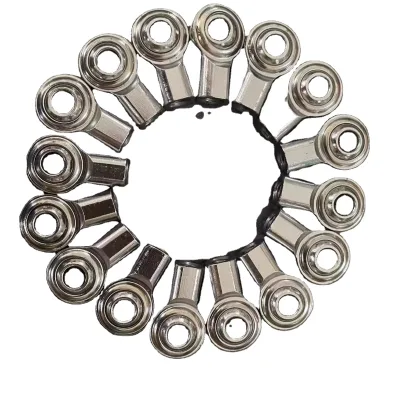
Heavy duty rod ends are critical suspension components designed to replace or repair worn mechanical linkages in industrial machinery and automotive systems. Based on observed market listings, these parts are frequently manufactured from iron and steel, utilizing forging processes to ensure structural integrity under high stress. Buyers should prioritize products explicitly labeled for machinery parts applications, as the heavy-duty classification implies a need for robust load-bearing capabilities that standard components cannot provide.
When evaluating listings, procurement teams must distinguish between generic tie rod ends and specialized control arms, as the specific application dictates the required geometry and load rating. The observed product range includes models with OE numbers such as 48069-0r020 and 53540st7003, indicating compatibility with specific vehicle or machine platforms. Sourcing strategies should focus on verifying the exact model number against the original equipment specifications to prevent fitment errors that could compromise safety or operational efficiency.
Product Scope and Observed Listing Signals
The current market for heavy duty rod ends displays a wide variance in packaging and unit configurations, ranging from single items to bulk orders in wooden crates or neutral bags. Listings indicate that customization is available, allowing buyers to request specific surface treatments like zinc plating to enhance corrosion resistance in harsh environments. This flexibility is essential for industries requiring tailored solutions that meet unique operational demands or specific environmental exposure conditions.
Price observations suggest a broad range from zero to sixty-five USD, reflecting differences in material quality, manufacturing complexity, and order volume. The minimum order quantity (MOQ) varies significantly, with some suppliers accepting single units while others require orders up to ten thousand pieces. Buyers must carefully align their procurement volume with supplier thresholds to optimize unit costs without incurring unnecessary inventory holding expenses or facing stockouts due to high minimums.
Technical Specifications to Verify
Material composition is a primary verification point, as observed listings cite both iron and steel as the base materials for these components. The forging process is a standard attribute for heavy-duty variants, ensuring the grain structure aligns with stress lines to prevent premature failure. Procurement teams should confirm that the specific model, such as AH001 or DH-08131, matches the required tensile strength and fatigue resistance for the intended machinery application.
Dimensional accuracy and weight specifications are equally critical, with observed standards ranging from 0.1 kg to 200 kg depending on the model. Surface treatments like zinc plating are common, but buyers must verify the thickness and adhesion of the coating to ensure long-term durability. Additionally, the automatic nature of some production lines suggests high consistency, yet manual inspection of the finished product remains necessary to validate the precision of the tie rod end geometry.
Compliance and Safety Documentation
Certification status is a key indicator of manufacturing reliability, with ISO 9001 and ISO standards frequently cited in product listings. Some suppliers also provide specific heat treatment certifications, such as annealing, which are vital for relieving internal stresses in forged steel components. Buyers should request valid certificates that correspond to the specific batch of goods to ensure the material properties meet the required safety and performance benchmarks.
Customization capabilities often require additional documentation to confirm that modified parts still adhere to relevant industry standards. While some listings mention compliance with customs requests, this is a variable requirement that depends on the destination market and specific import regulations. Procurement teams must ensure that all customized orders include updated technical data sheets and compliance statements to facilitate smooth customs clearance and regulatory acceptance.
Cost Drivers and Commercial Terms
Payment terms are a significant factor in the commercial negotiation of heavy duty rod ends, with T/T and LC (Letter of Credit) being the most common methods observed. These terms reflect the financial risk profile of the transaction, with larger orders often requiring more secure payment structures to protect both the buyer and the supplier. Understanding the specific payment conditions is essential for cash flow planning and mitigating the risk of non-delivery or non-payment disputes.
Shipping methods, including sea, air, and express options, directly influence the total landed cost and delivery timeline. The choice of transport depends on the urgency of the replacement need and the weight of the shipment, which can range from 0.55 kg to 200 kg per unit. Buyers should calculate the trade-off between expedited shipping costs and the operational downtime caused by delayed parts to determine the most cost-effective logistics strategy for their specific situation.
Supplier Qualification and Quality Control
Supplier location is a consistent factor, with the majority of observed listings originating from Zhejiang, China, a hub for metal processing and machinery parts. This concentration of manufacturing capability offers buyers access to a competitive market but requires rigorous vetting to ensure quality consistency across different vendors. Verifying the supplier's production capacity and history of fulfilling large orders is crucial for maintaining a stable supply chain.
Quality control processes should be validated through on-site audits or third-party inspection reports, especially for customized orders. The availability of customization suggests that suppliers have flexible production lines, but this flexibility must not come at the expense of quality assurance protocols. Buyers should insist on pre-shipment inspections to verify that the final products meet the specified standards for material, surface treatment, and dimensional accuracy before release.
Long-Term Procurement Checks
Establishing a long-term relationship with suppliers requires regular performance reviews based on delivery reliability and product consistency. The observed range of MOQs and payment terms suggests that suppliers are willing to adapt to different buyer needs, but maintaining a stable partnership ensures better pricing and priority treatment during high-demand periods. Continuous communication regarding production schedules and inventory levels helps prevent supply chain disruptions.
Future procurement strategies should include periodic re-verification of certifications and material specifications to ensure ongoing compliance with evolving industry standards. As technology advances, the specifications for heavy duty rod ends may change, requiring buyers to stay informed about new materials or manufacturing techniques. Regular audits and feedback loops with suppliers will help maintain high standards and ensure that the sourced components continue to meet the rigorous demands of heavy-duty applications.
FAQs
What materials are used for heavy duty rod ends?
Heavy duty rod ends are typically manufactured from iron or steel to ensure high strength and durability under load. These materials provide the necessary structural integrity for machinery parts and automotive applications. The components often undergo heat treatment processes such as annealing to enhance mechanical properties. Surface treatments like zinc plating are applied to protect against corrosion and extend service life in demanding environments.
Can heavy duty rod ends be customized for specific machinery?
Yes, heavy duty rod ends can be customized to meet specific machinery requirements. Manufacturers offer customization services to adapt parts for various repair or replacement purposes. Buyers can request specific models, dimensions, or packaging solutions to fit their operational needs. This flexibility ensures that the components integrate seamlessly into existing systems while maintaining performance standards and reliability for industrial applications.
What certifications do heavy duty rod end manufacturers hold?
Manufacturers of heavy duty rod ends typically hold ISO 9001 certification to ensure quality management standards are met. Some suppliers also provide ISO certifications for specific production processes. These certifications verify that the manufacturing facilities adhere to rigorous quality control measures. Buyers can rely on these credentials to ensure consistent product quality and compliance with international standards for automotive and machinery components.
How are heavy duty rod ends packaged for shipment?
Heavy duty rod ends are packaged in wooden boxes or wooden crates to ensure safe transit. Some suppliers use neutral package bags for individual items to protect against damage. The packaging is designed to withstand handling and environmental factors during shipping. This secure packaging method helps prevent scratches or deformation, ensuring that the components arrive in pristine condition ready for immediate installation or storage.
What is the typical MOQ for heavy duty rod ends?
The typical minimum order quantity for heavy duty rod ends ranges from 1 to 10,000 pieces depending on the supplier. Some manufacturers set a standard MOQ of 100 pieces for certain models. Buyers can often negotiate MOQs based on their specific requirements and order volume. Flexible MOQ policies allow businesses of various sizes to source these components efficiently without excessive inventory commitment or upfront costs.
Where are heavy duty rod ends primarily manufactured?
Heavy duty rod ends are primarily manufactured in Zhejiang, China. This region is known for its robust manufacturing infrastructure and expertise in producing automotive and machinery parts. Suppliers in this location offer competitive pricing and efficient production capabilities. The concentration of manufacturers in this area facilitates streamlined logistics and reliable supply chains for global buyers seeking high-quality components.
What payment terms are accepted for heavy duty rod ends?
Common payment terms for heavy duty rod ends include T/T and LC. These methods provide secure transactions for both buyers and suppliers. T/T is often used for smaller orders or established relationships, while LC is suitable for larger transactions. Buyers should confirm specific payment terms with suppliers to ensure alignment with their financial processes and to facilitate smooth order processing and delivery schedules.